



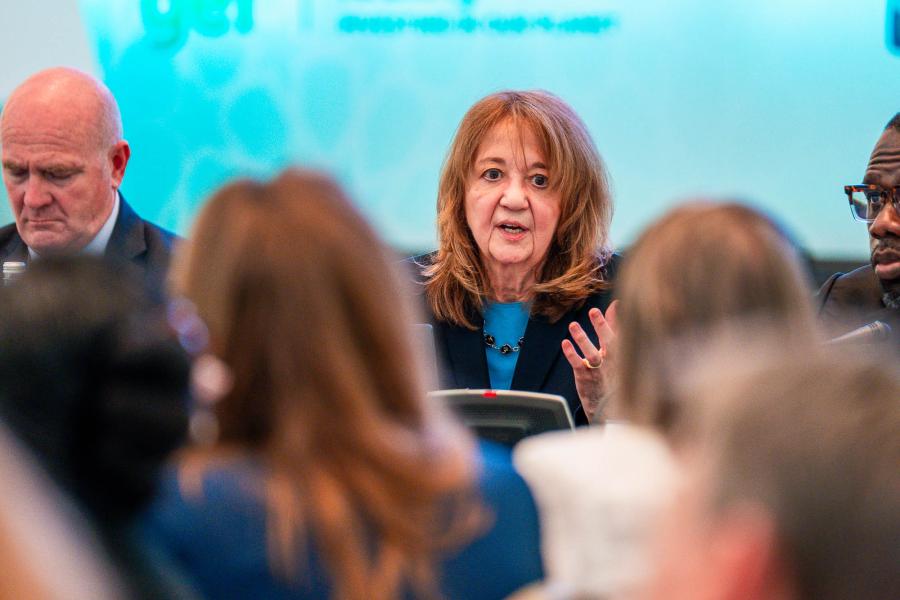
At the GEF Council Meetings in Samarkand, Uzbekistan, the Scientific and Technical Advisory Panel (STAP) played a central role in grounding deliberations in the latest science and evidence.
Converging Crises, Closing Window: STAP urges bold systems shift at GEF Council
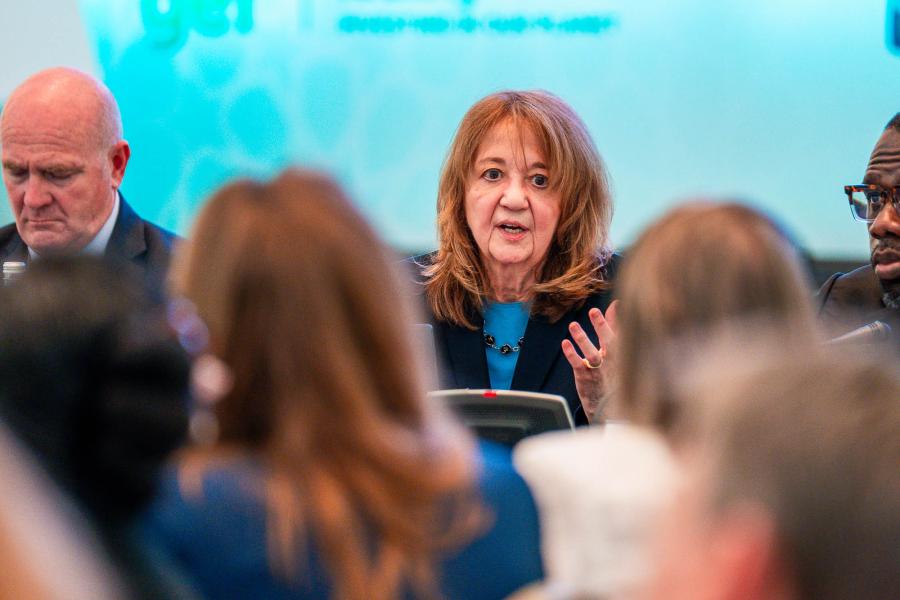
Rosina Bierbaum, Chair, STAP. Photo by IISD/ENB | Danny Skilton
Delivering its report to the 71st Global Environment Facility (GEF) Council, the Scientific and Technical Advisory Panel (STAP) warned that climate change, biodiversity loss, water insecurity, pollution, and land degradation are converging into a systemic global risk landscape that demands urgent, science-driven transformation. Drawing on the latest research, STAP highlighted that agriculture accounts for roughly one-third of global greenhouse gas emissions, extreme fire weather has nearly tripled over the past four decades, and warming oceans, drought, and heat stress are placing unprecedented pressure on ecosystems, economies, and livelihoods worldwide.
Yet amid the growing risks, STAP's message was one of opportunity. The Panel called on the GEF partnership to move beyond incremental solutions and embrace systems transformation—linking climate, biodiversity, food, water, energy, and development goals through integrated action. The report outlined practical pathways ranging from climate-smart agriculture, ecosystem restoration, and sustainable fisheries management to stronger governance, innovative financing, emerging technologies, and improved monitoring of environmental outcomes. As GEF-9 moves from strategy development to implementation, STAP emphasized that science, innovation, policy coherence, and adaptive learning will be critical to delivering durable environmental benefits and building resilience in an increasingly turbulent world. The challenge, STAP noted, is not a lack of solutions, but the speed and scale at which they can be implemented.
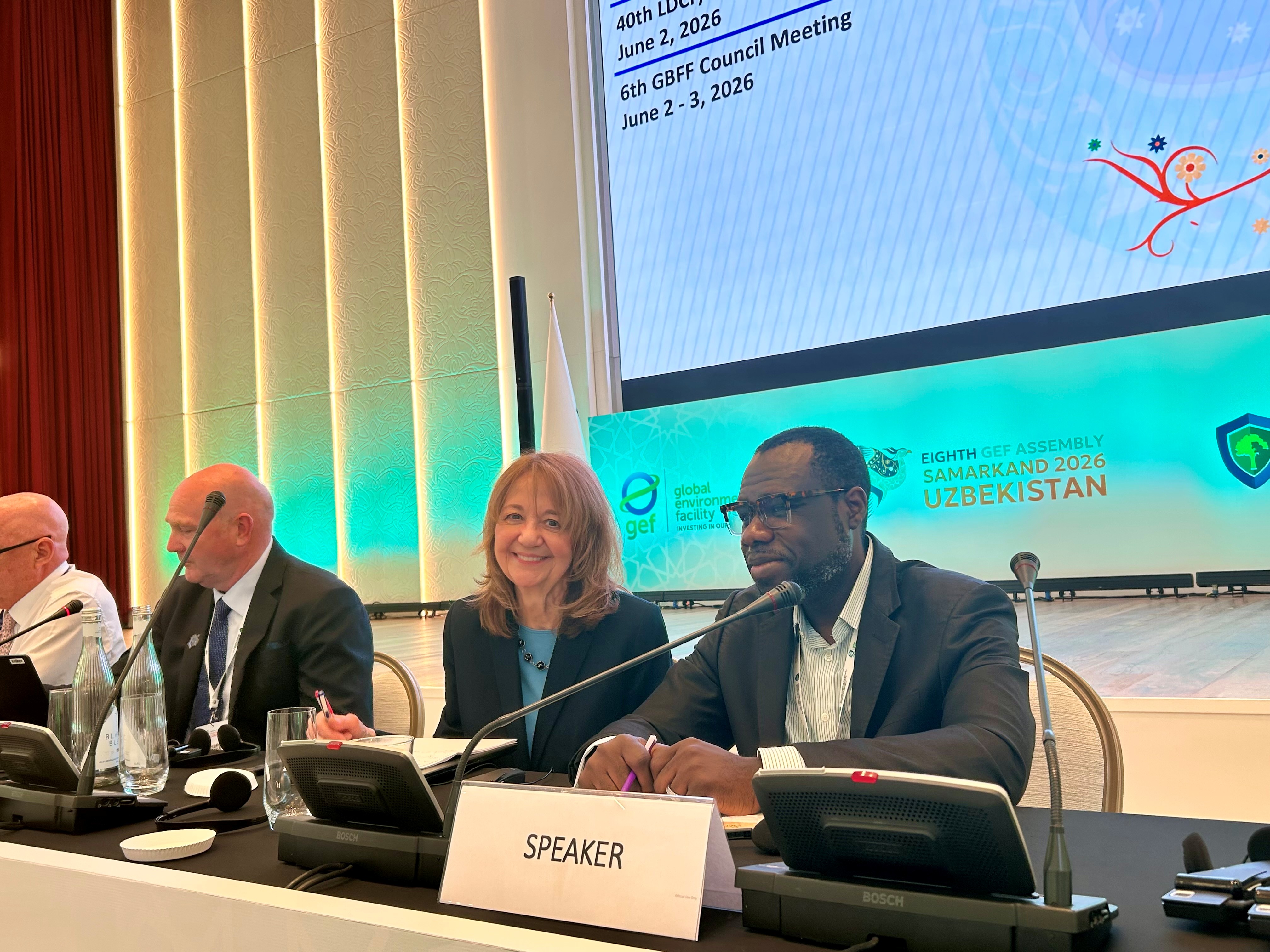
Rosina Bierbaum, Chair, STAP and Sunday Leonard, STAP Executive Secretary. Photo by IISD/ENB | Danny Skilton
Science, systems, and indigenous leadership take center stage at GEF Assembly opening
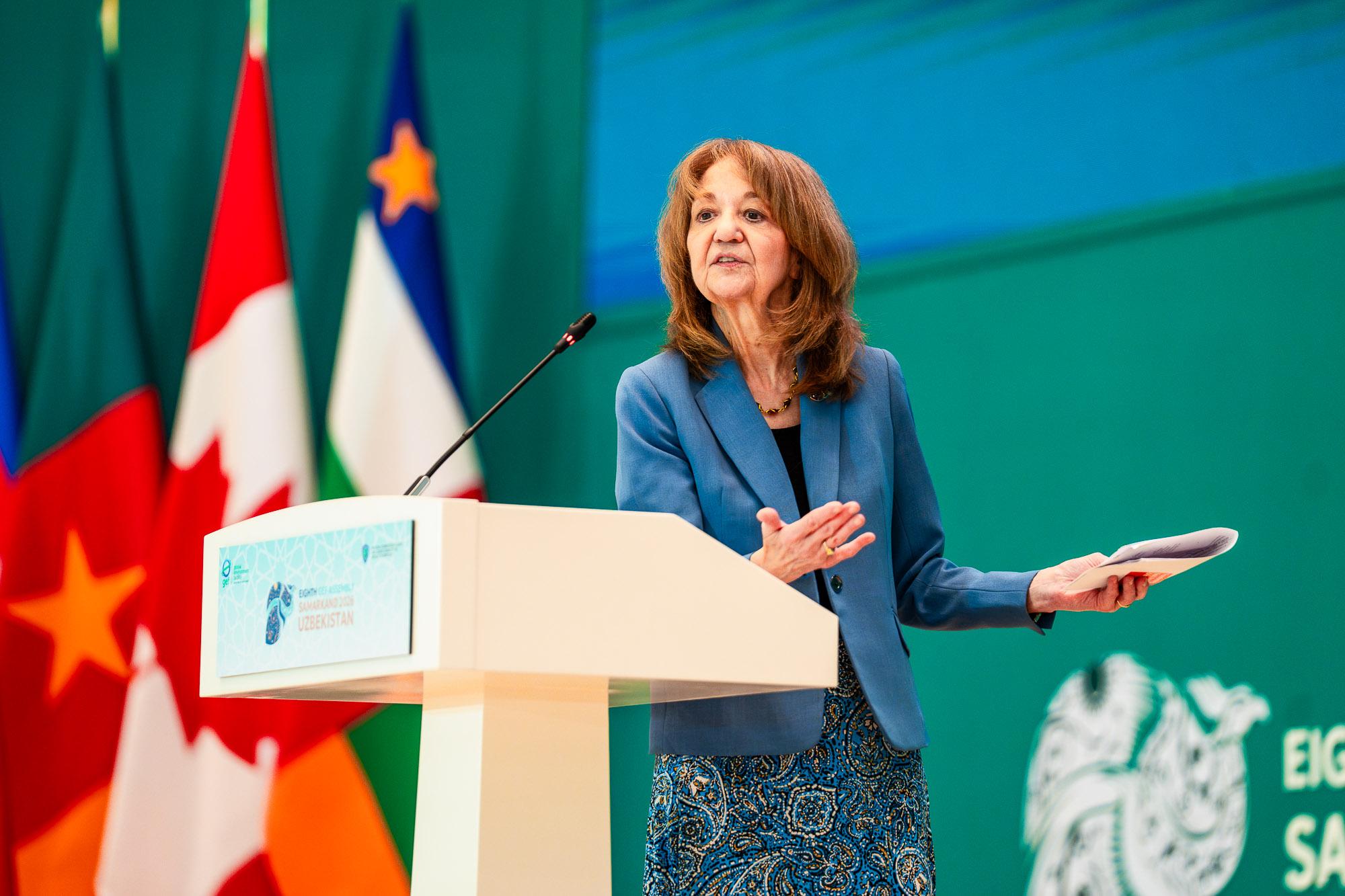 Rosina Bierbaum, Chair, STAP. Photo by IISD/ENB | Danny Skilton
At the opening plenary of the Eighth Global Environment Facility (GEF) Assembly STAP delivered a clear message to delegates from around the world that solving today's environmental crises will require nothing less than transformational change. Speaking on behalf of the Scientific and Technical Advisory Panel (STAP), Chair Rosina Bierbaum highlighted growing scientific evidence that climate change, biodiversity loss, pollution, land degradation, and water stress are deeply interconnected challenges that can no longer be addressed through isolated interventions. Instead, governments, institutions, and development partners must embrace systems thinking, innovation, and integrated approaches that tackle the root causes of environmental decline while building resilience and sustainable development outcomes.
The plenary showcased STAP's latest work on accelerating transformation in turbulent times, emphasizing six principles for sustainability transformation: strengthening human–nature relationships, enabling just transitions, promoting inclusive governance, adopting systems approaches, creating pathways for change, and embracing adaptive learning. A strong focus was placed on elevating Indigenous Peoples' knowledge and leadership, including greater participation in GEF governance, stronger protection of Free, Prior and Informed Consent (FPIC) processes, and co-designing projects with Indigenous communities. The session also underscored the need for policy coherence across sectors and multilateral environmental agreements, arguing that science-based decision-making, innovation, and inclusive partnerships will be essential to achieving lasting global environmental benefits in an increasingly complex and uncertain world.
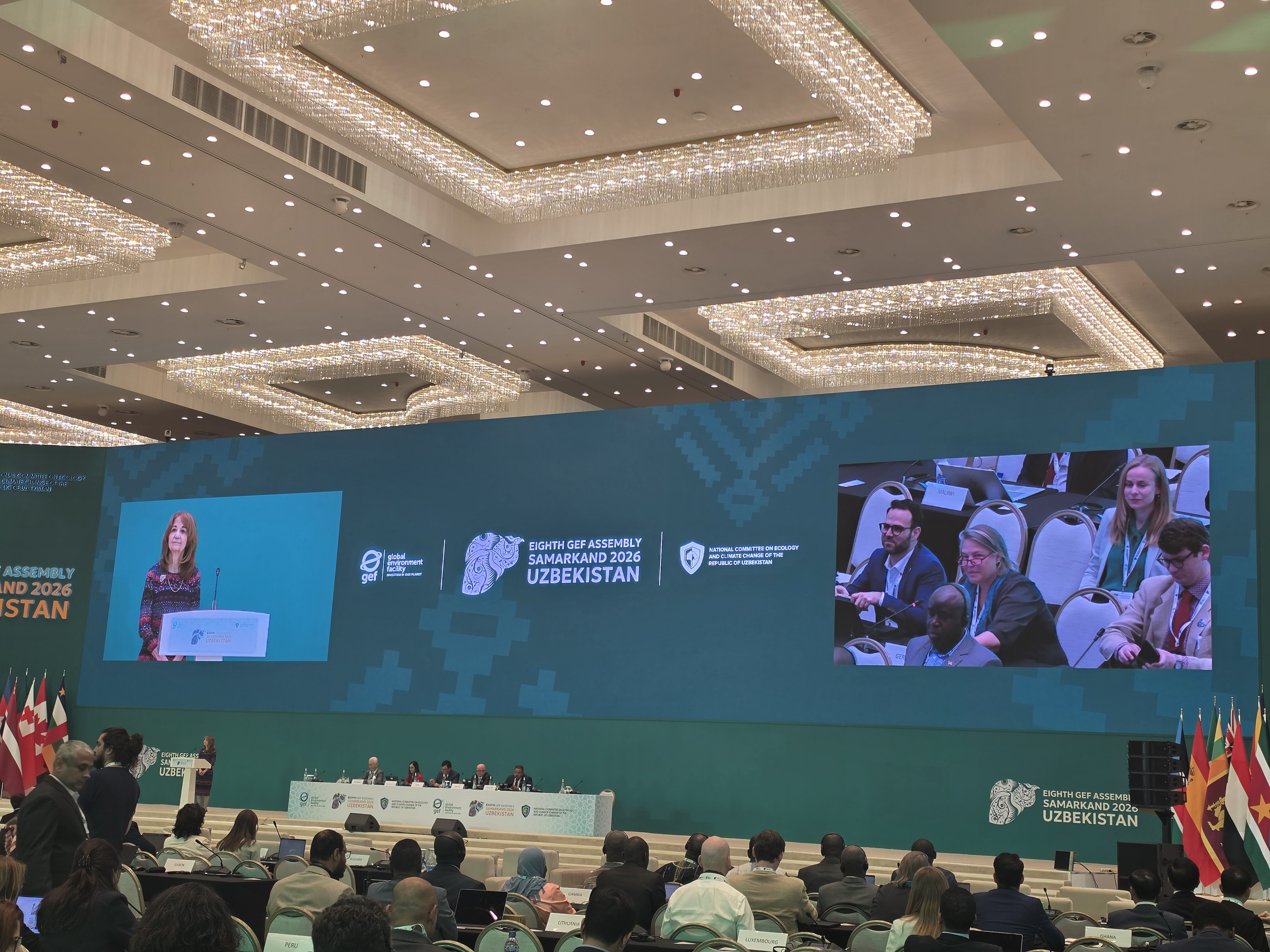
Rosina Bierbaum, Chair, STAP, at the opening Assembly. Photo by STAP
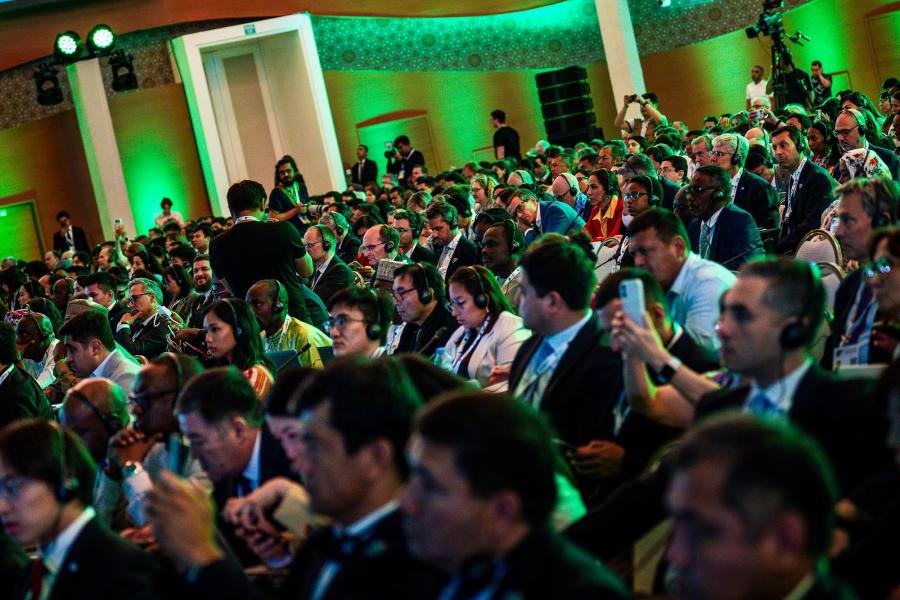
Delegates at the GEF Assembly. Photo by IISD/ENB | Danny Skilton
Beyond its formal presentations to the Council and the Assembly plenary, the STAP team participated extensively across the GEF meeting agenda, contributing scientific expertise to high-level sessions, the STAP booth, learning stations, bilateral meetings with various interlocutors, side events, and roundtable discussions on climate, biodiversity, sustainable development, and systems transformation.
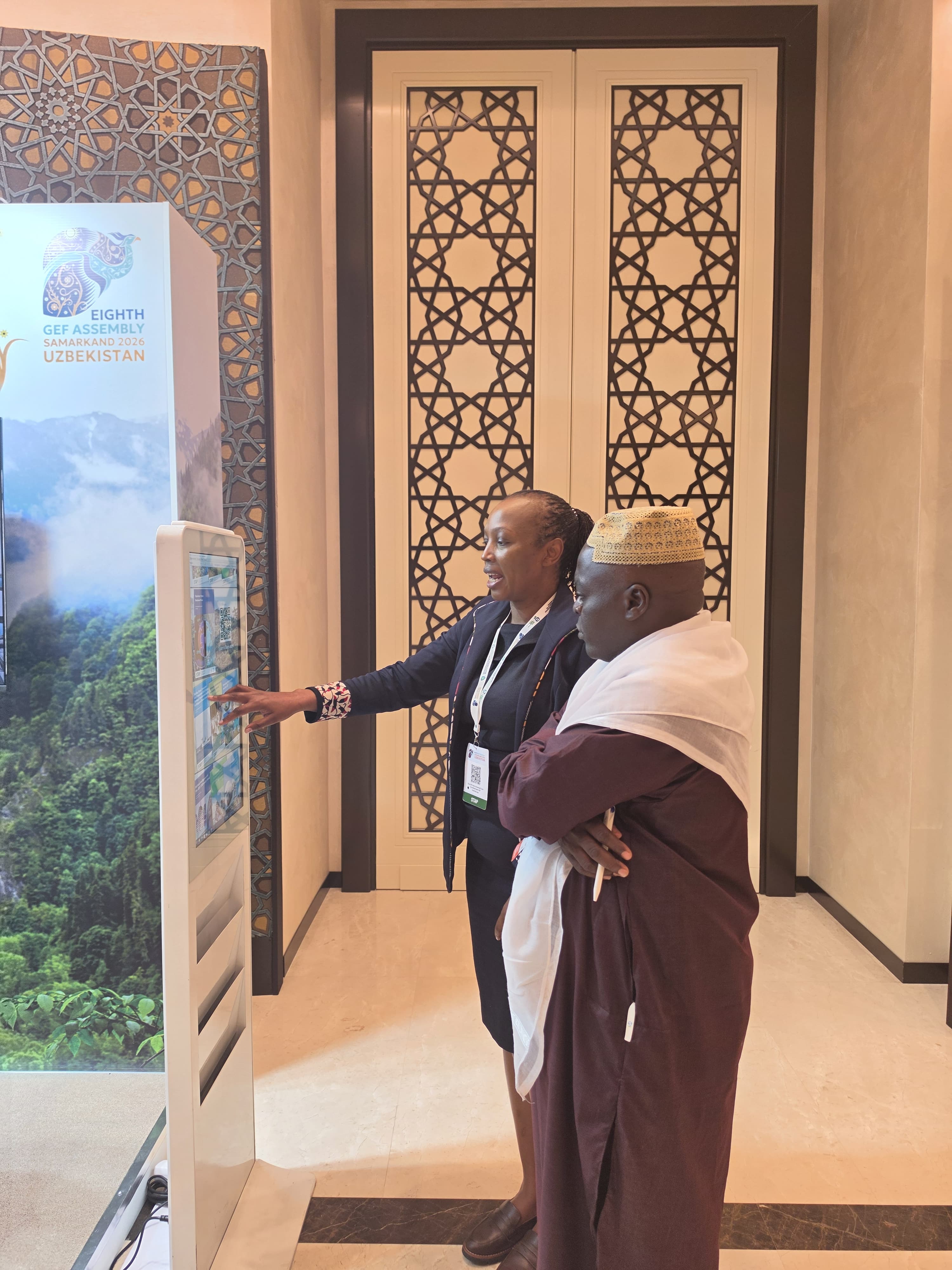
A delegate at the STAP booth. Photo by STAP
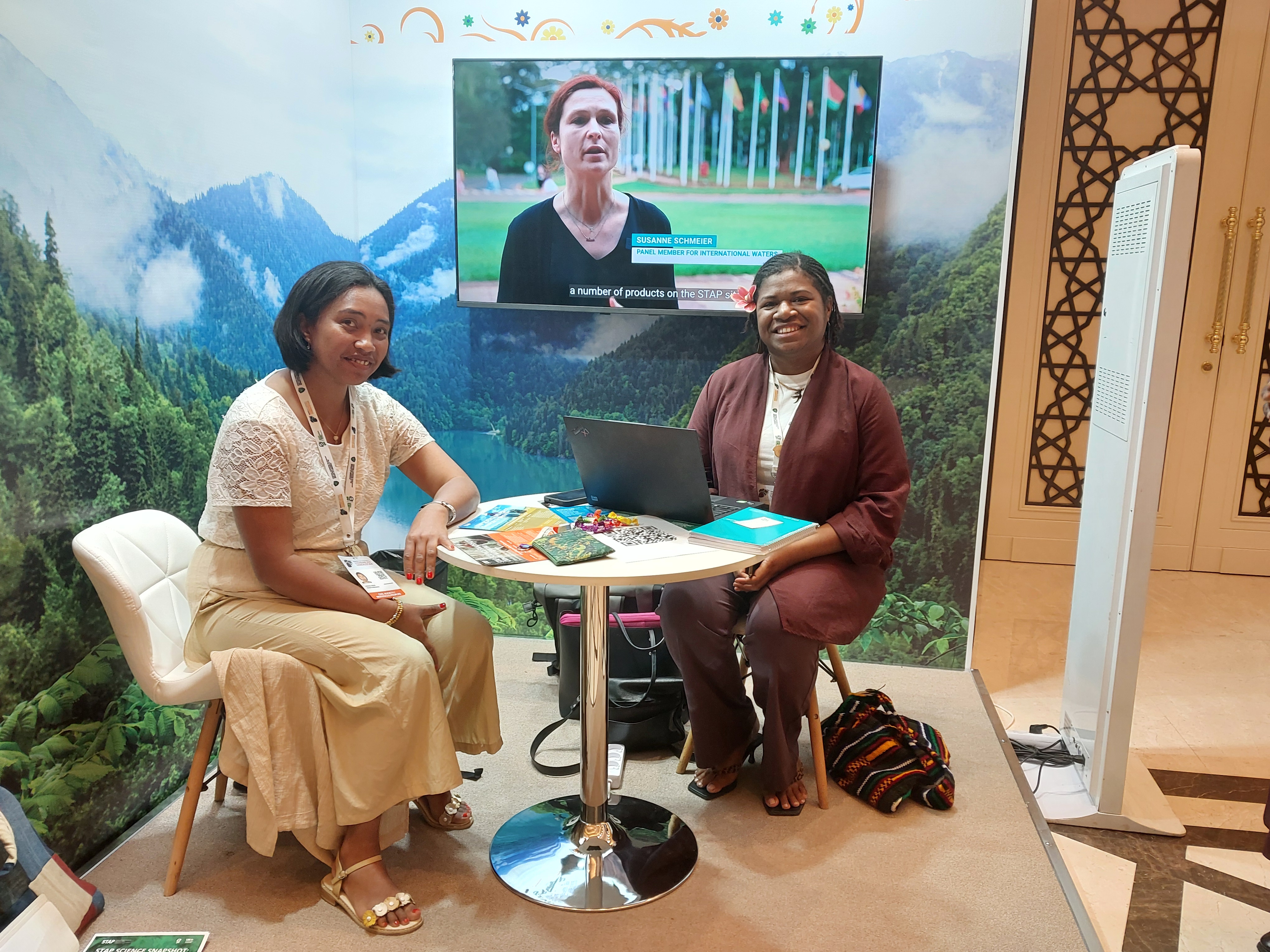
Delegates at the STAP booth. Photo by STAP
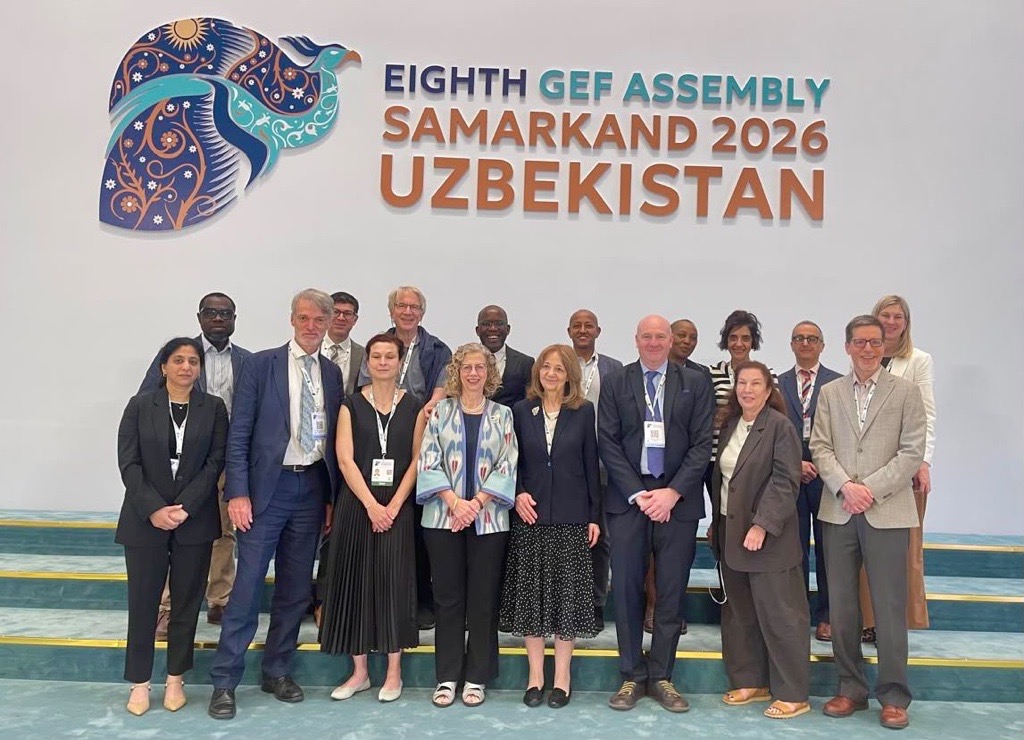
STAP team in Samarkand, Uzbekistan. Photo by STAP
Read more about STAP's engagement at the GEF Council and Eighth GEF Assembly:
👉 Highlights from the 71st GEF Council and Eighth GEF Assembly
👉STAP Chair's Report and Presentation to the Council
👉STAP Statement to the Assembly Plenary
👉 Watch STAP Booth Videos: Part 1 and Part 2
👉 Explore STAP's Latest Publications and Knowledge Products